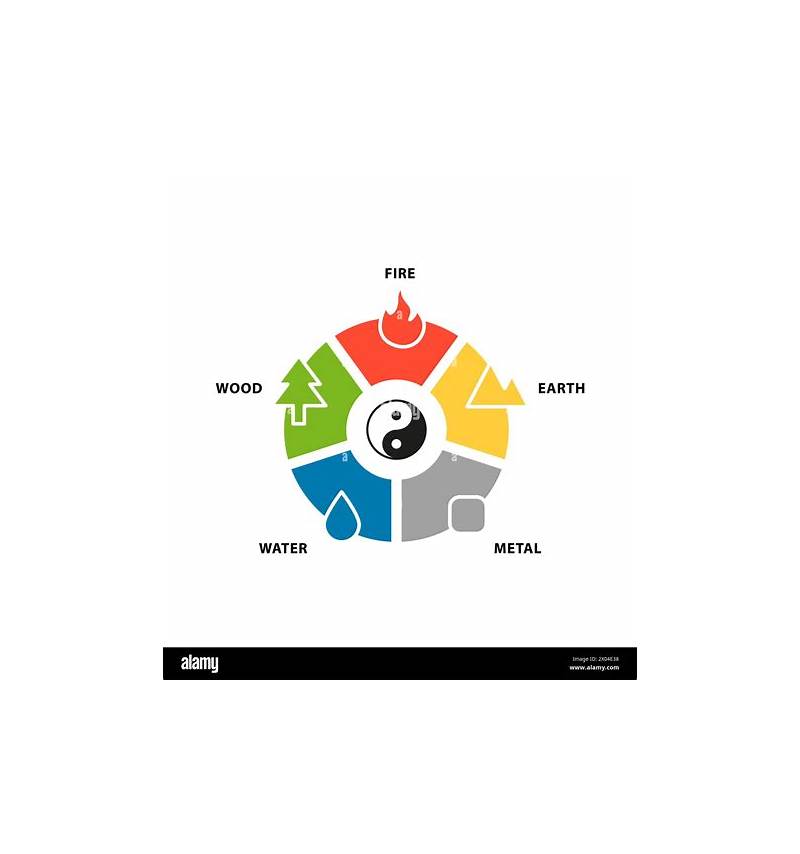
Yin and Yang: The Foundation of Balance in Chinese Medicine
Understand Yin and Yang theory — the oldest and most important concept in Traditional Chinese Medicine — and how it applies to your health.
The Big Idea
Yin and Yang are the two complementary forces that make up everything in the universe. In Traditional Chinese Medicine, health is defined as a dynamic state of balance between these two forces. Illness arises when one becomes excessive or deficient.
Yin represents coolness, stillness, substance, and nourishment. Yang represents warmth, activity, function, and transformation.
The Four Relationships
1. Opposition
Yin and Yang are opposites — but they define each other. Without night, there is no day. Without rest, there is no activity. In the body, contraction (Yin) balances expansion (Yang).
2. Interdependence
One cannot exist without the other. The body's structure (Yin) houses its functions (Yang). Blood (Yin) carries Qi (Yang). This is why treating only symptoms without addressing the underlying imbalance is incomplete.
3. Mutual Consumption
Yin and Yang constantly transform into one another. After physical activity (Yang), you need rest (Yin) to recover. Sleep restores your energy for the next day. Chronic overwork (excess Yang) depletes your body's reserves (Yin).
4. Inter-transformation
Under extreme conditions, Yin can turn into Yang and vice versa. A severe cold (extreme Yin) can produce a high fever (Yang). This principle explains why TCM treats seemingly opposite conditions with similar approaches.
Yin-Yang in Your Body
| Body Part / Function | Yin Aspect | Yang Aspect | |:---|:---|:---| | Organ function | Storage (Zang organs) | Transformation (Fu organs) | | Body layers | Interior | Exterior | | Temperature | Cool | Warm | | Activity | Rest, sleep | Movement, exercise | | Fluids | Blood, body fluids | Sweat, urine | | Structure | Muscles, bones, tissues | Metabolism, digestion |
Signs of Yin-Yang Imbalance
Yang Deficiency
- Feeling cold, especially hands and feet
- Low energy, fatigue
- Pale complexion
- Weak digestion, loose stools
- Low motivation
Yin Deficiency
- Feeling hot, especially at night
- Night sweats, hot palms and soles
- Dry mouth, throat, and skin
- Irritability, restlessness
- Scanty dark urine
A Practical Example
When a patient comes in with insomnia, a TCM practitioner asks: is this Yin deficiency (not enough cooling, nourishing energy to calm the mind) or Yang excess (too much heat or activity keeping the mind racing)? The treatment differs completely — one needs nourishing, the other needs cooling.
Key Takeaway
Balance is not static. Your Yin-Yang state changes with seasons, stress, diet, sleep, and age. The goal of TCM is not to achieve "perfect balance" but to build your body's resilience in maintaining equilibrium as conditions change.
This article is for educational purposes only and does not constitute medical advice. Always consult a qualified healthcare professional before making changes to your health regimen.