What Is Traditional Chinese Medicine? A Beginner's Guide
Discover the core principles of Traditional Chinese Medicine — Yin-Yang, Five Elements, Qi, and how this 2,000-year-old system views health and disease.
What Is Traditional Chinese Medicine?
Traditional Chinese Medicine (TCM) is a complete medical system that has evolved over more than 2,000 years. Originating in ancient China, it offers a unique perspective on health, disease, and the human body that differs fundamentally from Western medicine.
Rather than focusing on specific pathogens or isolated symptoms, TCM views the body as an interconnected whole — a dynamic system where physical health, emotional balance, and environmental factors are inseparable.
The Core Concepts
Qi: The Vital Force
At the heart of TCM is the concept of Qi (pronounced "chee") — often translated as vital energy or life force. Qi flows through the body along pathways called meridians. When Qi flows smoothly, you feel energetic, balanced, and healthy. When Qi becomes blocked, depleted, or disordered, illness follows.
Think of Qi as the "operating system" that powers and coordinates all your body's functions.
Yin and Yang: The Dance of Opposites
Yin and Yang describe the complementary, interdependent forces that exist in everything. In the body, health depends on their dynamic balance.
| Yang Qualities | Yin Qualities | |:---|:---| | Warmth, heat | Coolness, cold | | Activity, movement | Rest, stillness | | Day, outward | Night, inward | | Function, energy | Structure, substance |
When Yin and Yang fall out of balance — whether due to stress, diet, or environment — symptoms emerge. For example, "Yin deficiency" might manifest as night sweats and dry mouth, while "Yang deficiency" can cause cold hands and fatigue.
The Five Elements
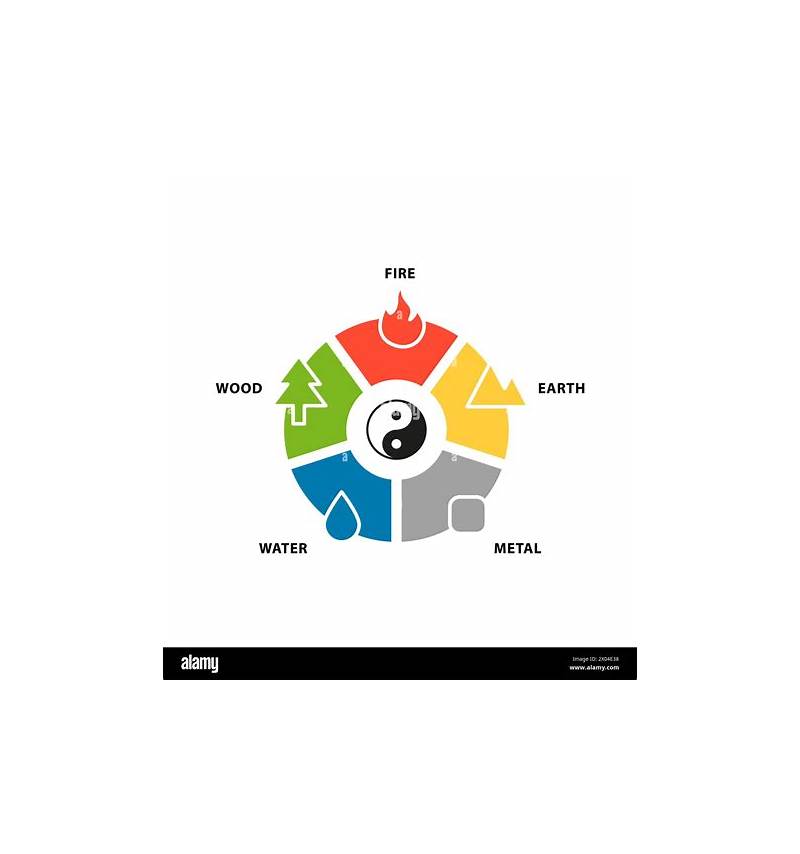
TCM identifies five elemental phases — Wood, Fire, Earth, Metal, and Water — that correspond to organs, emotions, seasons, and bodily functions. These elements interact in nourishing (Sheng cycle) and controlling (Ke cycle) relationships that maintain harmony in the body.
How TCM Differs from Western Medicine
| Western Medicine | Traditional Chinese Medicine | |:---|:---| | Focuses on the disease | Focuses on the person | | Treats symptoms | Addresses root imbalances | | Uses standardized protocols | Offers individualized treatment | | Relies on lab tests and imaging | Uses tongue, pulse, and palpation | | Reactive (treats after onset) | Preventive (maintains balance) |
Is TCM Evidence-Based?
A growing body of modern research supports many TCM practices. Acupuncture has been validated for chronic pain and nausea. Herbal formulas are being studied for metabolic, inflammatory, and digestive conditions. Organizations like the National Center for Complementary and Integrative Health (NCCIH) continue to fund research into TCM modalities.
What TCM Can Help With
TCM is commonly used for:
- Chronic pain — back pain, arthritis, migraines
- Digestive disorders — IBS, bloating, acid reflux
- Stress and anxiety — sleep issues, emotional imbalance
- Women's health — menstrual irregularities, menopause
- Allergies and immunity — seasonal allergies, frequent colds
- Fatigue and burnout — low energy, poor recovery
Getting Started
If you are new to TCM, begin by taking our Body Constitution Quiz to understand your body constitution type — your unique pattern of Yin-Yang balance and elemental tendencies. This is the foundation of personalized wellness in Chinese medicine.
**The information on this page is for educational purposes only. Always consult a qualified healthcare professional before making changes to your health regimen.