Anxiety Through a TCM Lens: Calming the Shen
How Traditional Chinese Medicine understands anxiety - as a disturbance of the Shen (spirit) related to Heart, Liver, and Kidney imbalance.
Anxiety in TCM vs. Western Medicine
Western medicine often treats anxiety as a brain chemistry imbalance involving serotonin and GABA. TCM sees anxiety differently — as a disturbance of the Shen (spirit/mind) that resides in the Heart, often caused by underlying imbalances in multiple organs.
The Three Organs Most Involved
Heart (Xin)
The Heart houses the Shen. When the Heart is calm and well-nourished, the mind is peaceful. When the Heart is disturbed — by heat, blood deficiency, or Yin deficiency — the Shen becomes agitated, producing anxiety, palpitations, and insomnia.
Key signs: Palpitations, restlessness, red tongue tip, difficulty falling asleep
Liver (Gan)
The Liver ensures smooth Qi flow. When stress causes Liver Qi to stagnate, the energy gets trapped, leading to frustration, irritability, and a "tight" kind of anxiety. Over time, stagnant Liver Qi can turn into Liver Fire, producing more intense agitation.
Key signs: Irritability, PMS-related anxiety, sighing, tight shoulders, wiry pulse
Kidney (Shen)
The Kidney stores willpower and houses fear. Chronic anxiety depletes Kidney Yin, which in turn cannot cool the Heart. This creates a vicious cycle of anxiety, insomnia, and exhaustion — very common in long-term stress.
Key signs: Fear-based anxiety, lower back weakness, night sweats, poor memory
Common TCM Patterns in Anxiety
| Pattern | Symptoms | Tongue | Pulse | |:---|:---|:---|:---| | Heart Blood Deficiency | Mild anxiety, poor memory, dizziness, pale complexion | Pale, thin | Thin, rough | | Heart Yin Deficiency | Evening anxiety, palpitations, night sweats, dry mouth | Red, peeled tip | Thin, rapid | | Liver Qi Stagnation | Stress-related anxiety, mood swings, PMS, sighing | Normal or slightly dark | Wiry | | Liver Fire Rising | Intense anxiety, headaches, red face, bitter taste | Red sides | Wiry, rapid | | Heart-Kidney Disharmony | Chronic anxiety, insomnia, hot flashes, lower back ache | Red tip, peeled root | Thin, rapid |
TCM Approaches to Anxiety
Acupuncture
Acupuncture points commonly used for anxiety include:
- Pericardium 6 (Neiguan) — Inner forearm, 2 inches above wrist crease. Calms the Shen, settles the stomach
- Heart 7 (Shenmen) — Wrist crease, on the pinky side. The primary point for calming the mind
- Liver 3 (Taichong) — Top of foot, between 1st and 2nd toes. Smooths Liver Qi
Herbal Support
Popular herbal formulas for anxiety (always consult a qualified herbalist):
- Suan Zao Ren Tang — For Heart Blood Deficiency: insomnia, anxiety, palpitations
- Jia Wei Xiao Yao San — For Liver Qi Stagnation: stress, PMS, mood swings
- Tian Wang Bu Xin Dan — For Heart-Kidney Disharmony: anxiety + insomnia + palpitations
Lifestyle Recommendations
- Evening wind-down — Dim lights by 9 PM; no screens 1 hour before bed
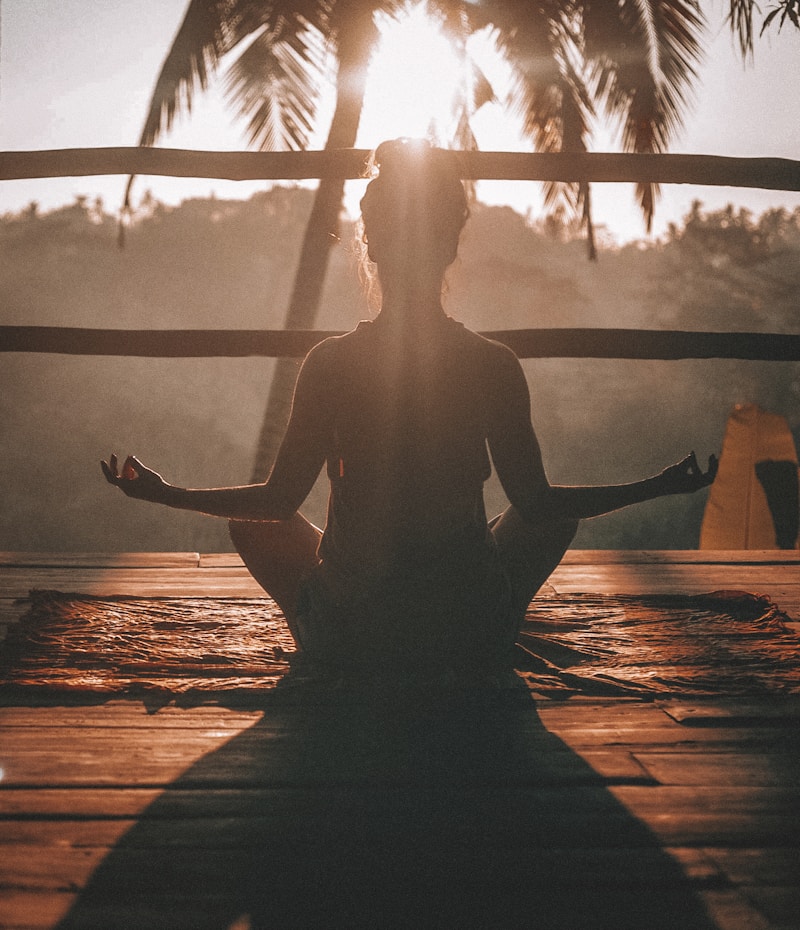
- Breathwork — 4-7-8 breathing (inhale 4, hold 7, exhale 8) activates the parasympathetic system
- Avoid stimulants — Caffeine, energy drinks, and alcohol all disturb the Shen
- Earthing — Walking barefoot on grass or soil for 10 minutes daily helps ground excess energy
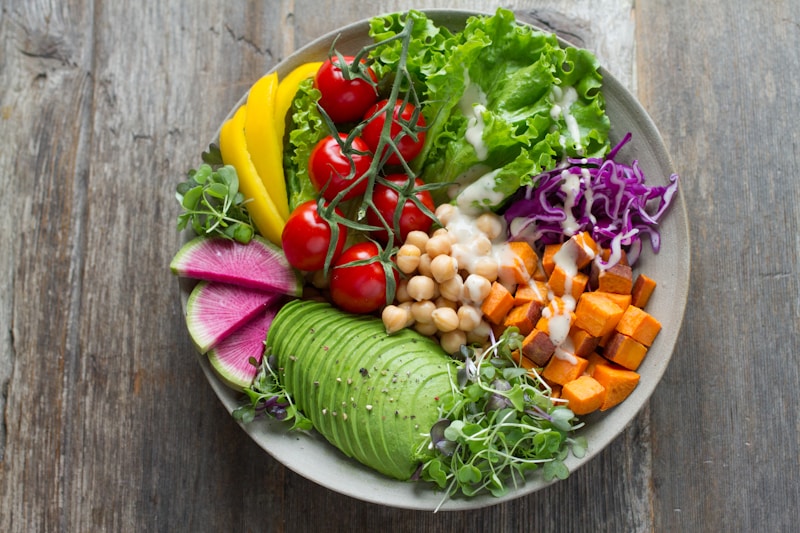
- Foods — Oats, sesame, lily bulb, longan fruit, and chamomile tea all nourish the Heart and calm the Shen
This article is for educational purposes only and does not constitute medical advice. Always consult a qualified healthcare professional before making changes to your health regimen.