The Kidney in Chinese Medicine: Your Vitality Bank
The Kidney stores your constitutional essence (Jing), governs reproduction and aging, and is the foundation of all Yin and Yang in the body.
The Kidney in TCM vs. Western Medicine
Western medicine views the Kidneys as filters that clean blood and produce urine. In TCM, the Kidney is the foundation of life itself:
- Stores Jing (vital essence)
- Governs birth, growth, reproduction, and development
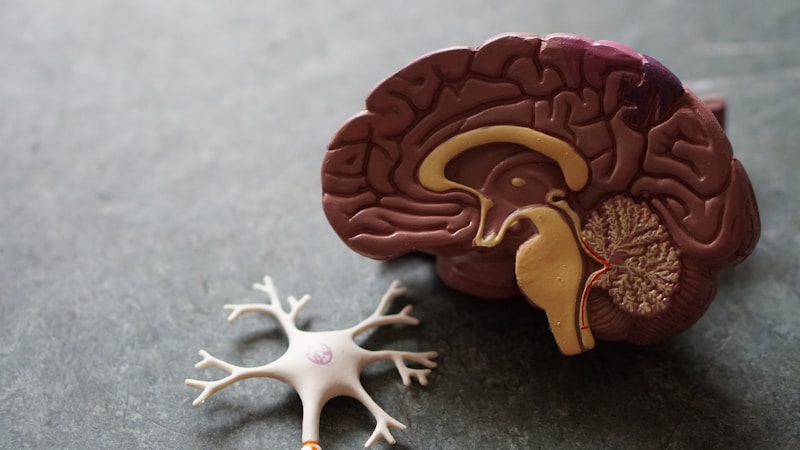
- Produces marrow and fills the brain
- Governs the bones
- Controls water metabolism
- Opens into the ears
- Holds the lower orifices
- Houses ambition and willpower (Zhi)
Kidney Functions Explained
1. Stores Jing (Vital Essence)
Jing is the most fundamental substance in TCM. It is your constitutional capital — the inheritance from your parents that determines your growth, development, and longevity. There are two types:
- Prenatal Jing — Inherited, fixed at birth. Like a bank account you cannot deposit into
- Postnatal Jing — Acquired from food and air. You can replenish this through healthy living
Kidney Jing declines naturally with age, but stress, overwork, and illness can accelerate the depletion.
2. Governs Reproduction and Aging
Jing determines your developmental stages: childhood, puberty, peak fertility, menopause, and decline. Kidney deficiency is the underlying pattern in many age-related conditions — osteoporosis, hearing loss, hair loss, and cognitive decline.
3. Produces Marrow and Fills the Brain
In TCM, "marrow" refers to the substance that fills the bones, spinal cord, and brain. Strong Kidney Jing means strong bones, good memory, and mental clarity. Kidney Jing deficiency can manifest as poor memory, dizziness, and weak lower back.
Signs of Kidney Imbalance
| Pattern | Key Symptoms | Tongue | Pulse | |:---|:---|:---|:---| | Kidney Yang Deficiency | Cold back/knees, frequent urination, low libido, aversion to cold | Pale, wet | Deep, slow | | Kidney Yin Deficiency | Night sweats, hot feet, dry mouth at night, lower back ache | Red, peeled | Thin, rapid | | Kidney Qi Deficiency | Weak urinary stream, incontinence, chronic lower back ache | Pale | Deep, weak | | Kidney Jing Deficiency | Premature aging, poor memory, weak bones, hearing loss | Pale or thin | Thin, empty |
Kidney and Emotions
The Kidney houses willpower and ambition (Zhi). Strong Kidney Qi gives you determination and resilience. Fear — especially chronic, low-grade fear — depletes the Kidneys. This is why prolonged stress and insecurity can lead to adrenal fatigue-like symptoms.
Related Organ
Learn about the Heart in TCM.
Self-Care for Kidney Health
- Rest and sleep — The Kidneys recharge during deep sleep. Chronic sleep deprivation is the fastest way to deplete Kidney Jing
- Warm the lower back — Keep your lower back warm. Avoid sitting on cold surfaces
- Kidney-nourishing foods — Black beans, black sesame, seaweeds, bone broth, walnuts, goji berries
- Salty in moderation — The Kidney's flavor is salty. A moderate amount of high-quality salt supports Kidney function
- Moderate sex life — TCM teaches that excessive sexual activity depletes Kidney Jing
- Avoid — Overwork, chronic stress, ice-cold drinks, and overuse of diuretics (including excessive coffee)
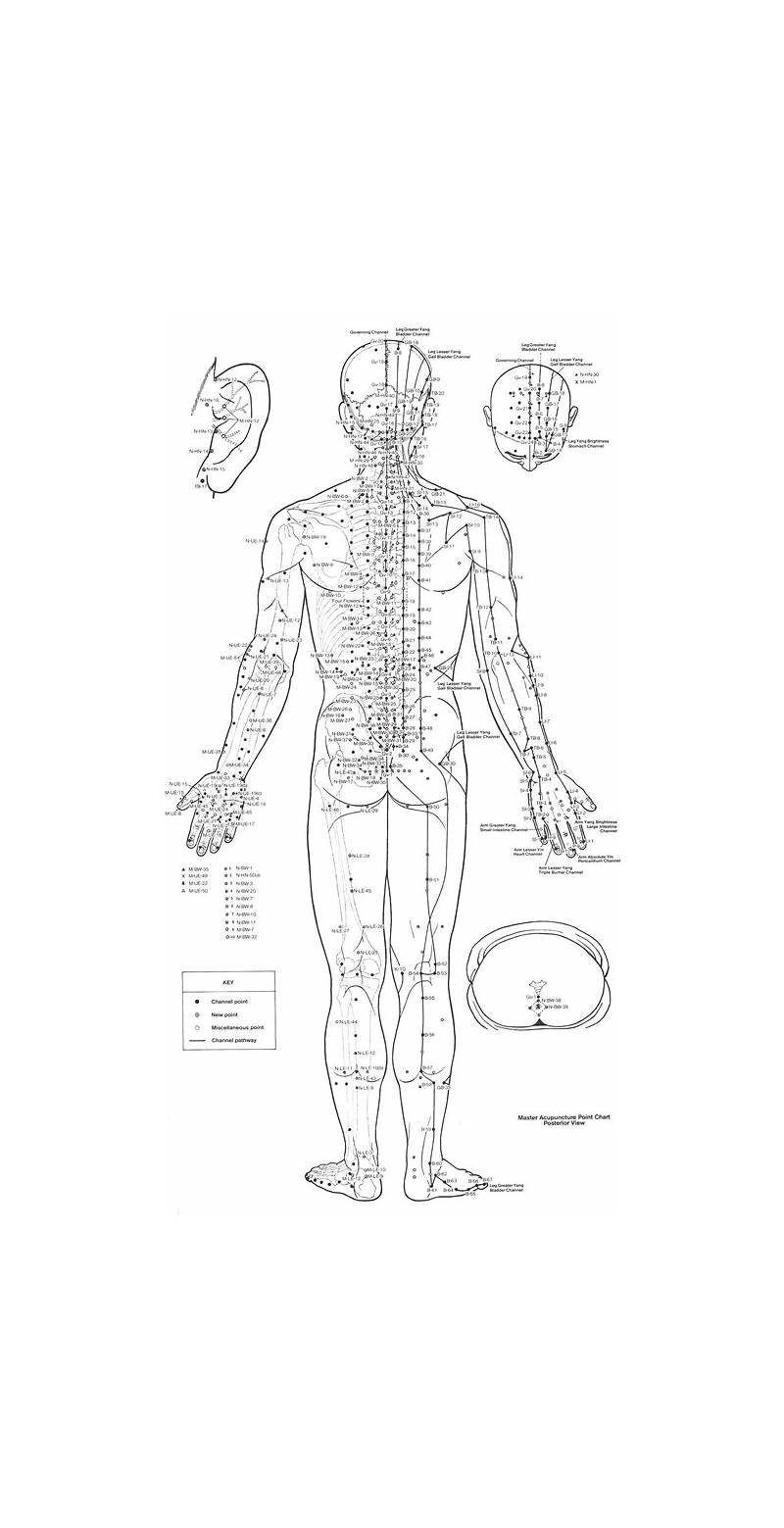
- Acupressure point — Kidney 3 (Taixi, behind the inner ankle) for fatigue and lower back pain
The Kidney and the Five Elements
The Kidney corresponds to the Water element — it governs depth, storage, and the potential for renewal. Water nourishes Wood (Liver), is controlled by Earth (Spleen), and controls Fire (Heart). The relationship between Kidney and Heart — Water and Fire — is one of the most important balances in the body. When Kidney Water fails to cool Heart Fire, you get anxiety, insomnia, and palpitations.
Key Takeaway
The Kidney is your body's deepest resource. You can't deposit more prenatal Jing, but you can protect what you have and maximize the production of postnatal Qi through wise living. This is why TCM places such emphasis on rest, moderation, and seasonal living — it is all about preserving your constitutional vitality.
This article is for educational purposes only and does not constitute medical advice. Always consult a qualified healthcare professional before making changes to your health regimen.