Tongue Coating: What Your Tongue's Surface Reveals
The coating on your tongue reflects your digestive health and the presence of pathogens. Learn to read thin, thick, yellow, and greasy coatings.
Understanding Tongue Coating
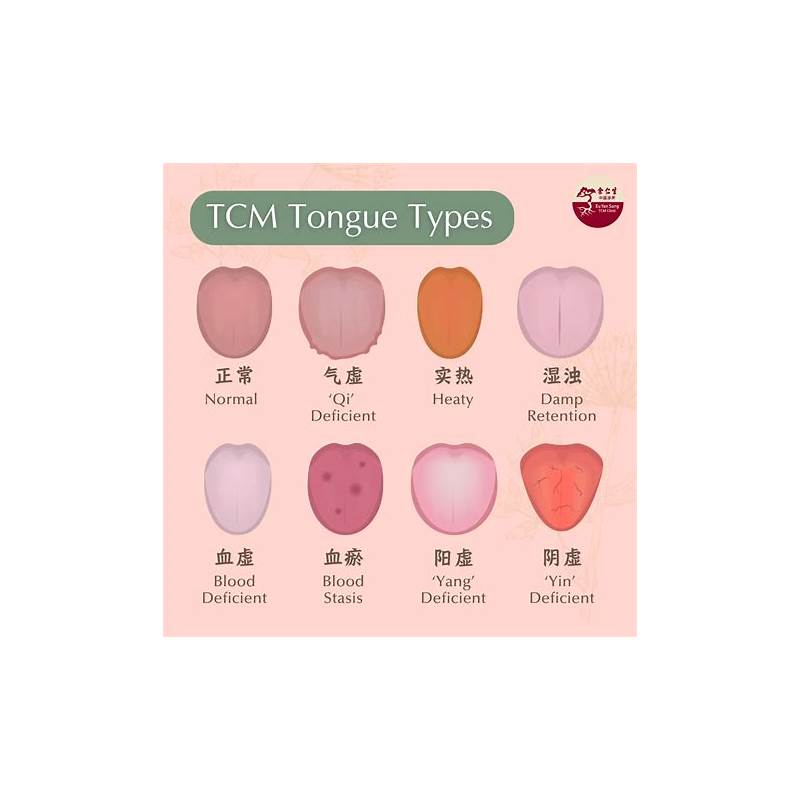
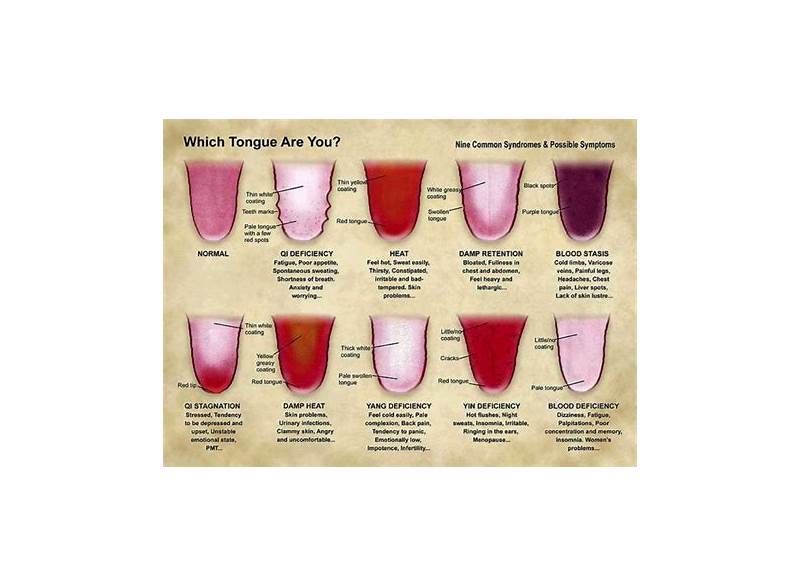
In TCM, the tongue coating (she tai) is formed by the upward rising of digestive Qi and fluids. It reflects the state of your Stomach and Spleen — your digestive system — as well as the presence of external pathogens.
Unlike the tongue body (which changes slowly), the coating can change significantly within hours, reflecting acute changes in your health.
Normal Coating
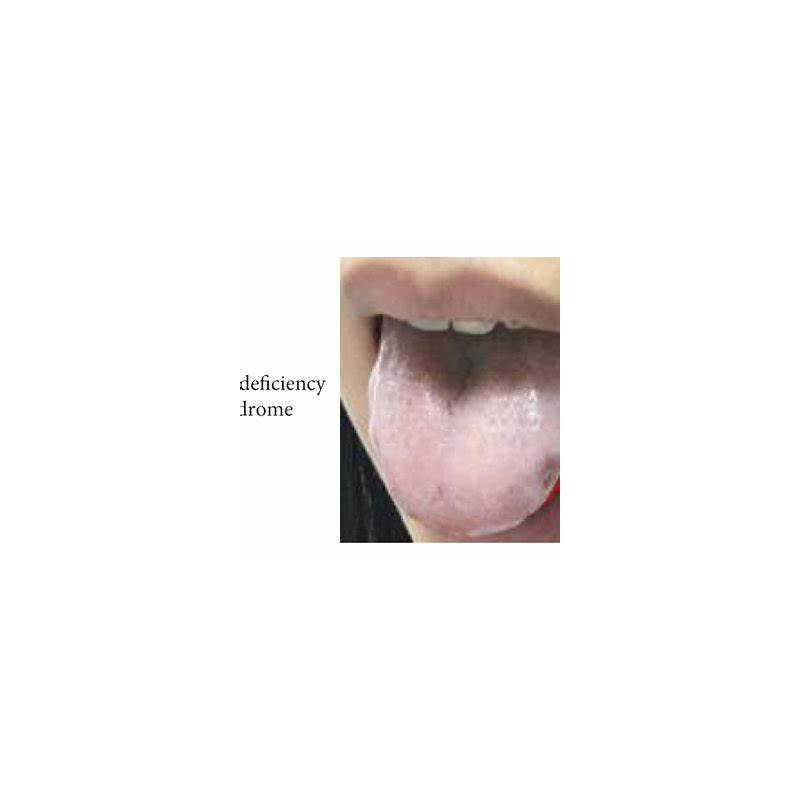
A healthy tongue has a thin, white, moist coating that is evenly distributed. You should be able to see the tongue body through it. This indicates good digestive function and no significant pathogen.
Coating Thickness
| Thickness | Meaning | |:---|:---| | No coating (peeled, shiny) | Stomach Yin deficiency; impaired digestive function | | Thin coating | Mild or early-stage disorder; normal variant | | Thick coating | Pathogen or food stagnation; the thicker, the more severe | | Sticky/greasy coating | Dampness or phlegm accumulation |
A general principle: thick coatings reflect excess patterns, while peeled (missing) coatings reflect deficiency.
Coating Color
White Coating
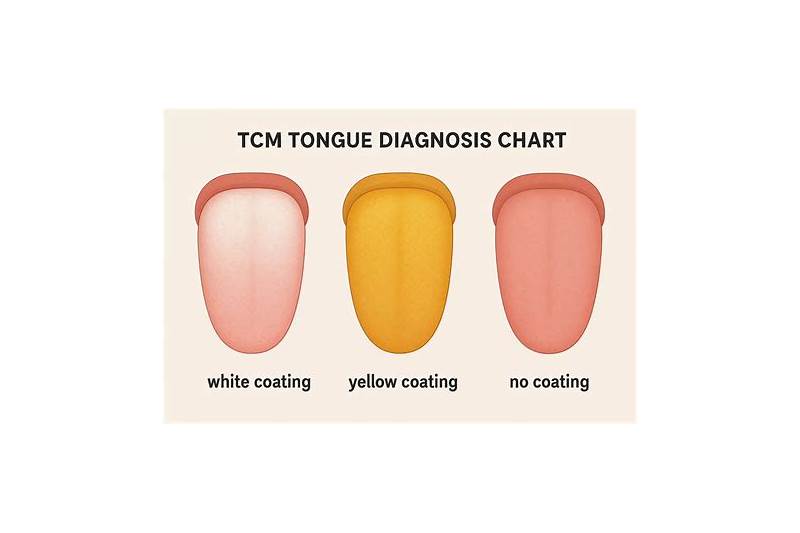
| Type | Meaning | |:---|:---| | Thin white, normal | Healthy | | Thick white, greasy | Cold-Damp or food stagnation | | White like powder | External cold pathogen |
Yellow Coating
Yellow indicates heat. The darker the yellow, the more severe the heat.
| Type | Meaning | |:---|:---| | Pale yellow | Mild heat entering the interior | | Deep yellow | Moderate internal heat | | Brownish-yellow | Severe heat, often with fluid damage |
Gray and Black Coating
Gray or black coatings are rare but serious:
- Gray-black with moisture — Extreme Cold
- Gray-black without moisture — Extreme Heat
Both require professional attention.
Coating Texture
| Texture | Meaning | |:---|:---| | Greasy/Sticky (Ni Tai) | Dampness or Phlegm | | Dry | Heat damaging fluids | | Wet/excess saliva | Cold or Yang deficiency | | Peeled/Stripped (no coating) | Yin or Qi deficiency | | Geographic (patchy loss) | Mixed deficiency and pathogen |
Practical Examples
Case 1: Thick yellow greasy coating + red tongue
- Pattern: Damp-Heat
- Suggests: Digestive inflammation, poor diet, possibly infection
Case 2: No coating, red tongue, cracks
- Pattern: Stomach Yin Deficiency
- Suggests: Chronic digestive weakness, dehydration, recovery from illness
Case 3: Thick white greasy coating, pale tongue
- Pattern: Cold-Damp
- Suggests: Heavy, fatty diet; weak Spleen; sluggish digestion
Daily Observations
Your coating will naturally change:
- Morning — Slightly thicker (normal, from overnight digestion)
- After eating — May temporarily thin out
- During a cold — May become thicker with white (early) or yellow (later) coating
- After poor digestion — May become greasy or thick
Coating vs. Body Color
Remember: the tongue body tells you about the chronic, underlying state. The coating tells you about the acute, current condition. They must be read together.
This article is for educational purposes only and does not constitute medical advice. Always consult a qualified healthcare professional before making changes to your health regimen.