Tongue Shape and Body Markings: Swollen, Thin, Cracked, and Teeth Marks
The shape of your tongue reveals fluid balance, blood supply, and organ health. Learn to identify swelling, thinning, cracks, and teeth indentations.
Why Tongue Shape Matters
The shape and contour of your tongue body provides valuable clues about your body's fluid balance, nutritional state, and chronic patterns. Unlike color (which can change daily), shape changes more slowly and reflects your constitutional state.
1. Swollen / Puffy Tongue (Chi Tai)
A tongue that appears larger than normal, often with teeth marks on the edges.
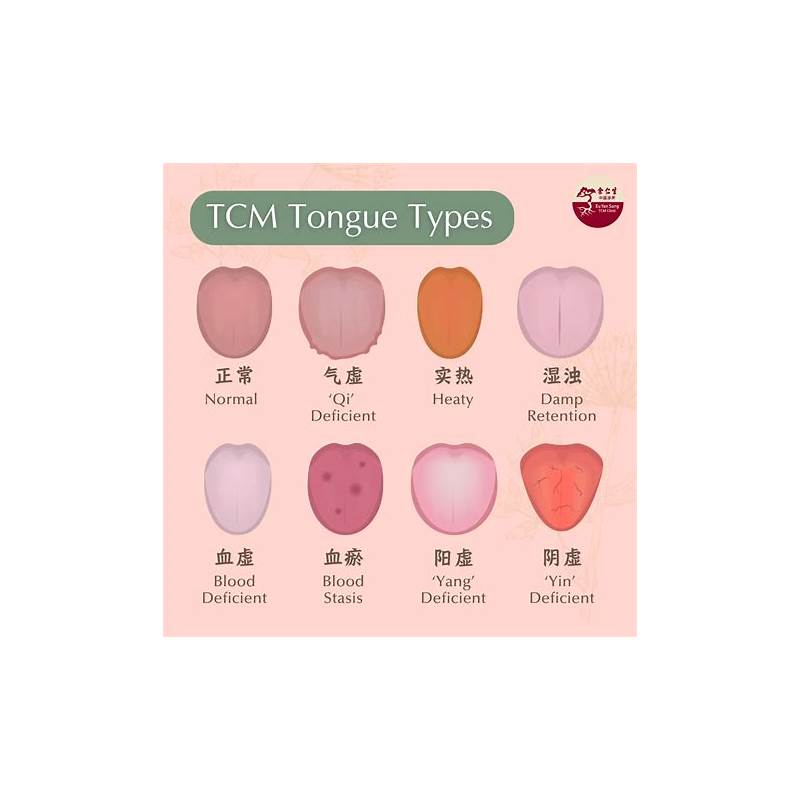
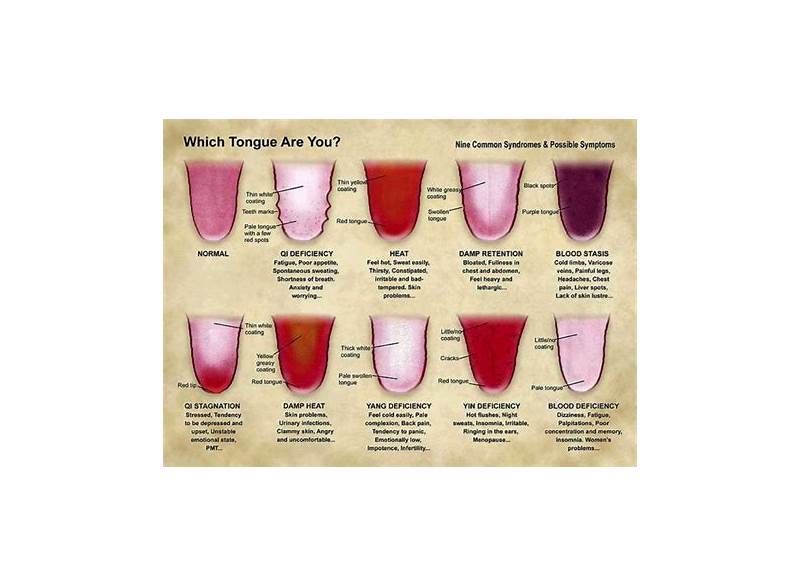
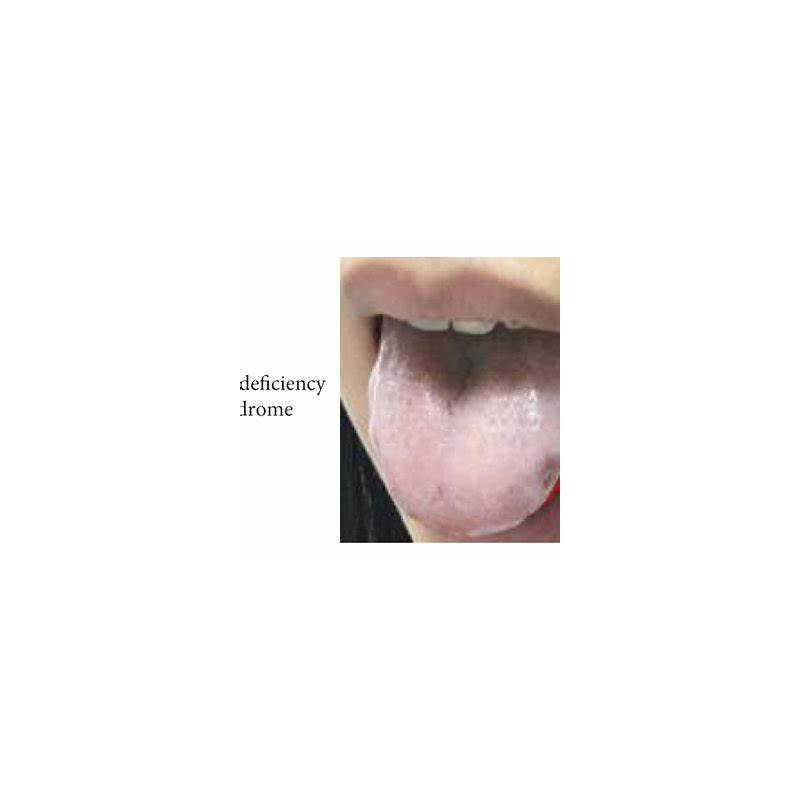
| Subtype | Meaning | Associated Symptoms | |:---|:---|:---| | Pale, swollen, wet | Yang Deficiency with Dampness | Fatigue, cold, edema, loose stools | | Pale, swollen, teeth marks | Spleen Qi Deficiency | Bloating, brain fog, heavy limbs | | Red, swollen | Damp-Heat | Oily skin, bitter taste, acne |
What it indicates: Your body is retaining fluid (Dampness) that the Spleen cannot transform and transport.
Lifestyle tip: Reduce dairy, sugar, and refined carbs. Increase light, drying foods like barley, adzuki beans, and radish. Avoid iced drinks.
2. Thin / Narrow Tongue (Shou Tai)
A tongue that appears thinner than normal, often with a pointed tip.
| Subtype | Meaning | Associated Symptoms | |:---|:---|:---| | Pale, thin | Blood Deficiency | Dizziness, dry skin, scanty periods | | Red, thin, dry | Yin Deficiency with Heat | Night sweats, insomnia, hot flashes |
What it indicates: Insufficient Blood or Yin to nourish the tongue body. This is a chronic deficiency pattern.
Lifestyle tip: Nourish with bone broth, dark leafy greens, goji berries, black sesame, and adequate rest. Avoid overwork and stimulants.
3. Teeth Marks (Chi Hen)
Indentations on the edges of the tongue are called "teeth marks." This is one of the most common findings in Western patients.
| Severity | Meaning | |:---|:---| | Mild (just visible) | Mild Spleen Qi Deficiency | | Moderate (clearly indented) | Moderate Spleen Qi Deficiency with Dampness | | Severe (deep, scalloped edges) | Severe Spleen Yang Deficiency |
Teeth marks paired with a pale, swollen tongue body strongly suggest Spleen Qi Deficiency with Dampness — the most common TCM pattern in modern Western lifestyles.
4. Cracked Tongue (Lie Wen)
Cracks or fissures on the tongue surface can vary from fine lines to deep grooves.
| Location | Meaning | |:---|:---| | Center crack | Stomach / Spleen Yin Deficiency | | Multiple fine cracks | Yin Deficiency with Heat | | Deep, single center crack | Chronic digestive weakness | | Cracks on tip | Heart Yin Deficiency |
A cracked tongue usually indicates long-standing Yin deficiency — the body has been dry and under-nourished for some time.
Important: A congenital midline crack (present since childhood, without symptoms) can be normal.
5. Stiff or Deviated Tongue
| Finding | Meaning | |:---|:---| | Stiff, difficult to move | Wind pattern, often with Liver Yang Rising | | Deviates to one side | Wind-Stroke (requires immediate medical attention) | | Trembling tongue | Liver Wind or severe Qi Deficiency |
6. Red Points / Spots
Small red dots on the tongue, especially on the tip or edges, indicate heat.
- Red dots on tip: Heart Heat
- Red dots on sides: Liver Heat
- Red dots scattered: General Heat in the Blood
Reading the Whole Picture
Always interpret shape findings together with color and coating:
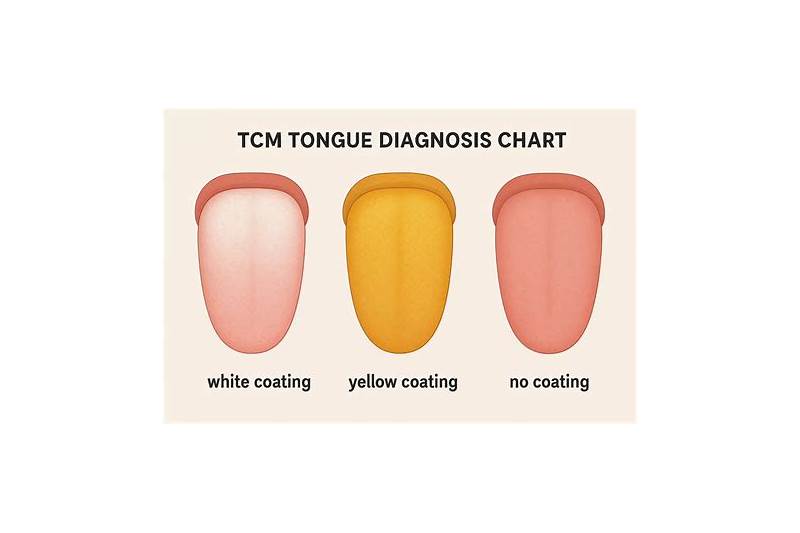
| Body | Color | Coating | Pattern | |:---|:---|:---|:---| | Swollen + teeth marks | Pale | White, greasy | Spleen Qi Deficiency with Dampness | | Thin | Red | None or peeled | Yin Deficiency with Empty Heat | | Swollen | Red | Yellow, greasy | Damp-Heat | | Thin, cracked | Pale red | Thin, white | Qi and Blood Deficiency |
This article is for educational purposes only and does not constitute medical advice. Always consult a qualified healthcare professional before making changes to your health regimen.